
Welcome to Nippon Spoon!
Today, I want to share something a little different from my usual recipe posts.
On this website, I share halal-friendly Japanese home cooking recipes that are inspired by traditional Japanese dishes while adapting them for a halal-friendly lifestyle.
Many people assume that the biggest challenge of making halal-friendly Japanese food is avoiding pork.
But surprisingly, that is not the hardest part for me.
The real challenge is two ingredients that appear in so many Japanese recipes:
Drumroll, please…
mirin and sake.
These two ingredients are deeply connected to Japanese cooking. They add sweetness, depth, aroma, and balance to many classic dishes.
So how do I make Japanese recipes without mirin and sake?
The answer is: a lot of trial and error.
And that process is actually the reason Nippon Spoon exists.
Why Pork Isn’t Actually the Hardest Part of Halal-Friendly Japanese Cooking
When people think about halal-friendly Japanese food, pork is often the first thing that comes to mind.
And yes, pork appears in many Japanese dishes.
Pork belly, sliced pork, ground pork… they are common in Japanese home cooking.
However, replacing pork is usually much simpler than people might expect.
For many recipes, I can simply replace pork with halal beef ( or halal chicken. But most of the time, beef works better in order to replace pork.)
Whenever I see “pork” in a Japanese recipe, I basically treat it as if that ingredient does not exist in my cooking world.
I just look at the recipe, replace the pork with beef, and move on.
Of course, the flavor and texture may change slightly, but the basic idea of the dish can often remain the same.
That is why pork is not the biggest challenge for me.
The real difficulty comes from ingredients that are much harder to replace.
The Real Challenge: Mirin and Sake in Japanese Cooking
Mirin and sake are two of the most commonly used ingredients in Japanese cuisine.
Mirin adds sweetness and shine to dishes.
Sake helps remove unwanted odors from ingredients while adding depth and complexity.
Together, they create the balanced flavor found in many classic Japanese recipes.
You can find mirin and sake in countless Japanese dishes, including:
- teriyaki chicken
- sukiyaki
- oyakodon (chicken and egg rice bowl)
- gyudon (beef rice bowl)
- Japanese-style sauces
- many traditional home-style recipes
This is why making halal-friendly Japanese food can sometimes be challenging.
It is not simply about removing or replacing one ingredient.
It is about understanding what that ingredient was doing in the recipe and finding another way to create a similar result.
How I Adapt Japanese Recipes Without Mirin and Sake

There is no single perfect substitute that works for every Japanese dish.
Instead, I adjust each recipe depending on the flavor and texture I want to create.
Replacing Mirin with Sugar
Mirin mainly provides sweetness, so sugar is often the simplest replacement.
For many recipes, replacing the sweetness of mirin with sugar works very well.
However, mirin is not only about sweetness.
It also adds a little richness and a glossy finish.
Because of that, sometimes sugar alone is not enough.
Depending on the recipe, I may adjust the amount of liquid or add a small amount of honey to create a more balanced flavor.
Omitting Sake in Japanese Recipes
Sake is another ingredient that appears frequently in Japanese cooking.
In my halal-friendly recipes, I usually omit sake completely.
Instead, I focus on balancing the other ingredients.
Sometimes the recipe needs a little more water.
Sometimes the cooking method needs to be adjusted.
Sometimes the other seasonings need to work harder to create the final flavor.
This is why there is no universal formula for making halal-friendly Japanese food.
Every recipe has its own personality.
There Is No Perfect Formula for Halal-Friendly Japanese Cooking
One of the most interesting parts of adapting Japanese recipes is that there is no single correct answer.
A replacement that works beautifully for one dish may not work for another.
For example, a sweet soy sauce-based dish may need more sweetness to replace the role of mirin.
A simmered dish may need a little more liquid to achieve the same tender texture.
A recipe that originally uses sake may need a different balance of seasonings after the sake is removed.
This is why halal-friendly Japanese cooking is not just about removing ingredients.
It is about understanding the role each ingredient plays.
What does this ingredient add?
Sweetness?
Depth?
Aroma?
Texture?
Once I understand that, I can start experimenting with different ways to recreate the feeling of the original dish.
Sometimes the result is exactly what I imagined.
Sometimes it takes a few tries.
And sometimes I discover a new way to enjoy a familiar Japanese dish.
The Trial and Error Behind Every Nippon Spoon Recipe

This process of experimenting is the very origin of Nippon Spoon.
Many Japanese recipes are written with the assumption that ingredients like mirin and sake are easily available and acceptable for everyone.
But that is not true for every person who wants to enjoy Japanese food.
I wanted to create recipes that keep the comforting flavors of Japanese home cooking while making them more accessible.
That means asking questions every time I cook.
Can I create the same sweetness without mirin?
Can I keep the richness of the dish without sake?
Can I make this recipe easier for someone outside Japan to recreate?
These small adjustments may seem simple, but they make a big difference.
Every recipe on Nippon Spoon includes this kind of trial and error.
Why I Continue Making Halal-Friendly Japanese Recipes
Japanese food is loved all over the world.
People enjoy sushi, ramen, teriyaki, and many other Japanese dishes.
But Japanese home cooking is much bigger than restaurant food.
It is everyday meals.
It is the food families eat at home.
It is simple dishes made with familiar ingredients.
I believe these everyday Japanese recipes should be accessible to more people.
Creating halal-friendly Japanese recipes is my way of sharing the food culture I grew up with while respecting different dietary needs.
It is not always easy.
Sometimes I still find myself standing in my kitchen, looking at a recipe and thinking:
“What should I do with the mirin and sake this time?”
But that challenge is also what makes the process interesting.
The Honest Truth About Mirin and Sake
If you’re still with me after all of that, let me share a little more casually.
I’ve spent a lot of time explaining the challenges of adapting Japanese recipes to be halal-friendly, but honestly…
In many cases, replacing mirin with sugar and simply leaving out sake works quite well.
Japanese home cooking is not restaurant cooking. It does not need to be perfectly identical every single time.
Most of the time, I think it is completely fine to make small adjustments while you cook and find what works best for you.
After all, we are talking about everyday home cooking.
However, I also understand that some people do not want to spend time figuring out those adjustments on their own.
That is exactly why I created Nippon Spoon.
I take halal-friendly Japanese home cooking seriously, testing and adjusting recipes so you can enjoy Japanese flavors without the guesswork.
If you are looking for halal-friendly Japanese recipes that are practical, approachable, and inspired by real Japanese home cooking,
I hope you’ll join me here on Nippon Spoon and on my YouTube channel.
I hope my halal-friendly Japanese recipes help you enjoy Japanese home cooking in a way that works for you.
Try My Halal-Friendly Japanese Recipes
Now that you know a little more about the process behind Nippon Spoon, here are some popular halal-friendly Japanese recipes you can try at home.
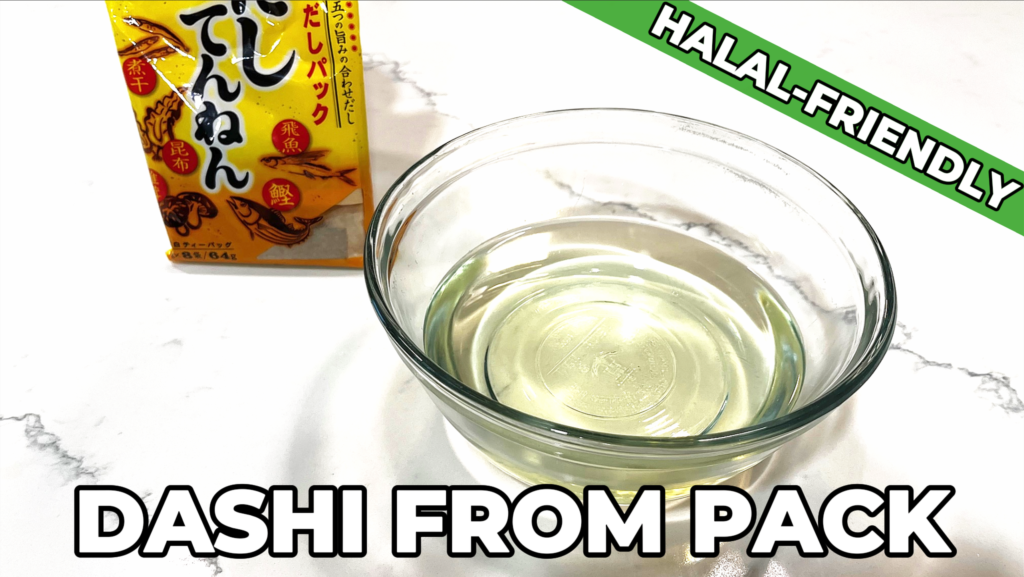
Halal-Friendly Japanese Dashi Made with Packs
Welcome to Nippon Spoon.This blog shares simple, halal-friendly Japanese home cooking that you can make…
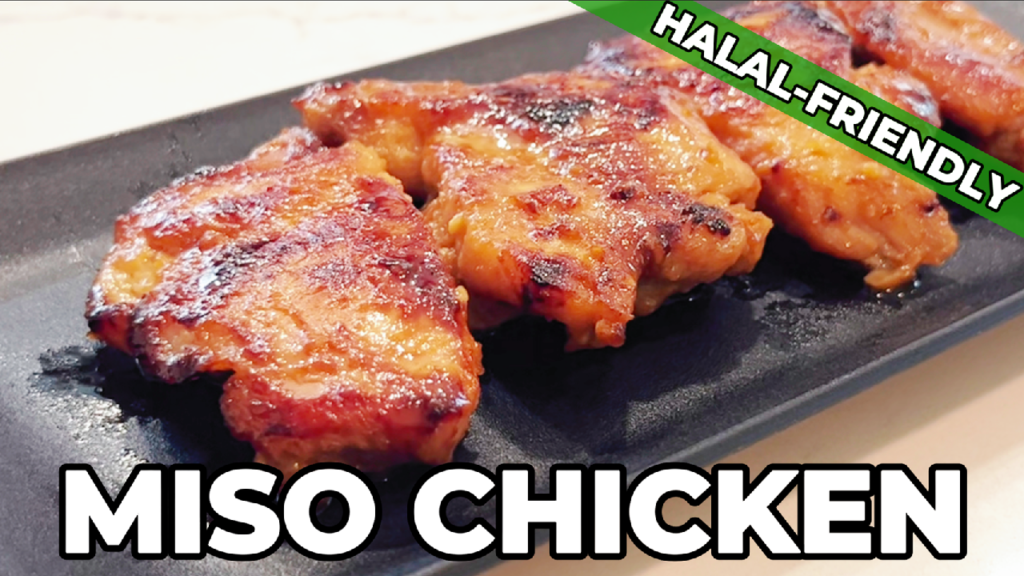
Halal-Friendly Miso Marinated Chicken
Welcome to Nippon Spoon! Today, we’re making halal-friendly Japanese Miso Marinated Chicken. This is a…
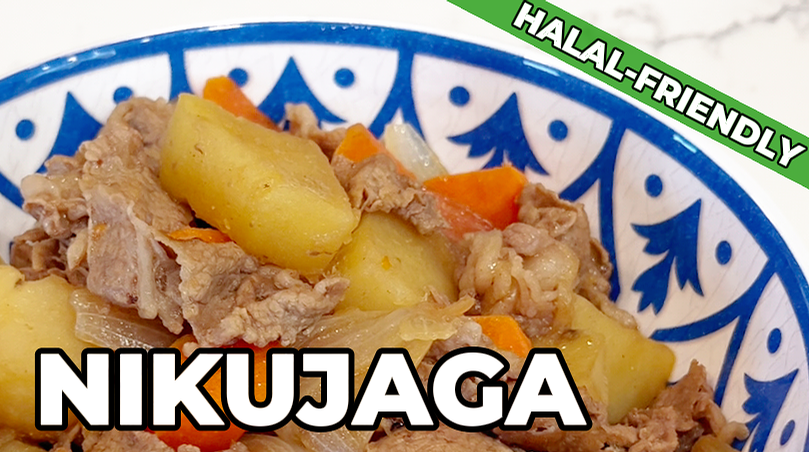
Halal-Friendly Nikujaga (Japanese Beef & Potato Stew)
Welcome to Nippon Spoon!Today, we’re making nikujaga, a classic Japanese meat and potato stew. Nikujaga…
Watch the Video
This video explains the biggest challenge of making halal-friendly Japanese food.
A quick peek into the story behind today’s halal Japanese cooking